OpenRGB's plugin system allows for limitless functionality


OpenRGB provides an expansive plugin interface allowing a wide variety of additional functionality to be added by plugins. Plugins can add additional functionality to the OpenRGB user interface and take control of your OpenRGB devices to provide synchronized effects, use your RGB devices as indicator lights for hardware statistics, integrate with third party lighting control software, schedule OpenRGB lighting profile changes, and more.


OpenRGB Effects Plugin

Synchronize your setup with amazing effects

OpenRGB Effects Plugin

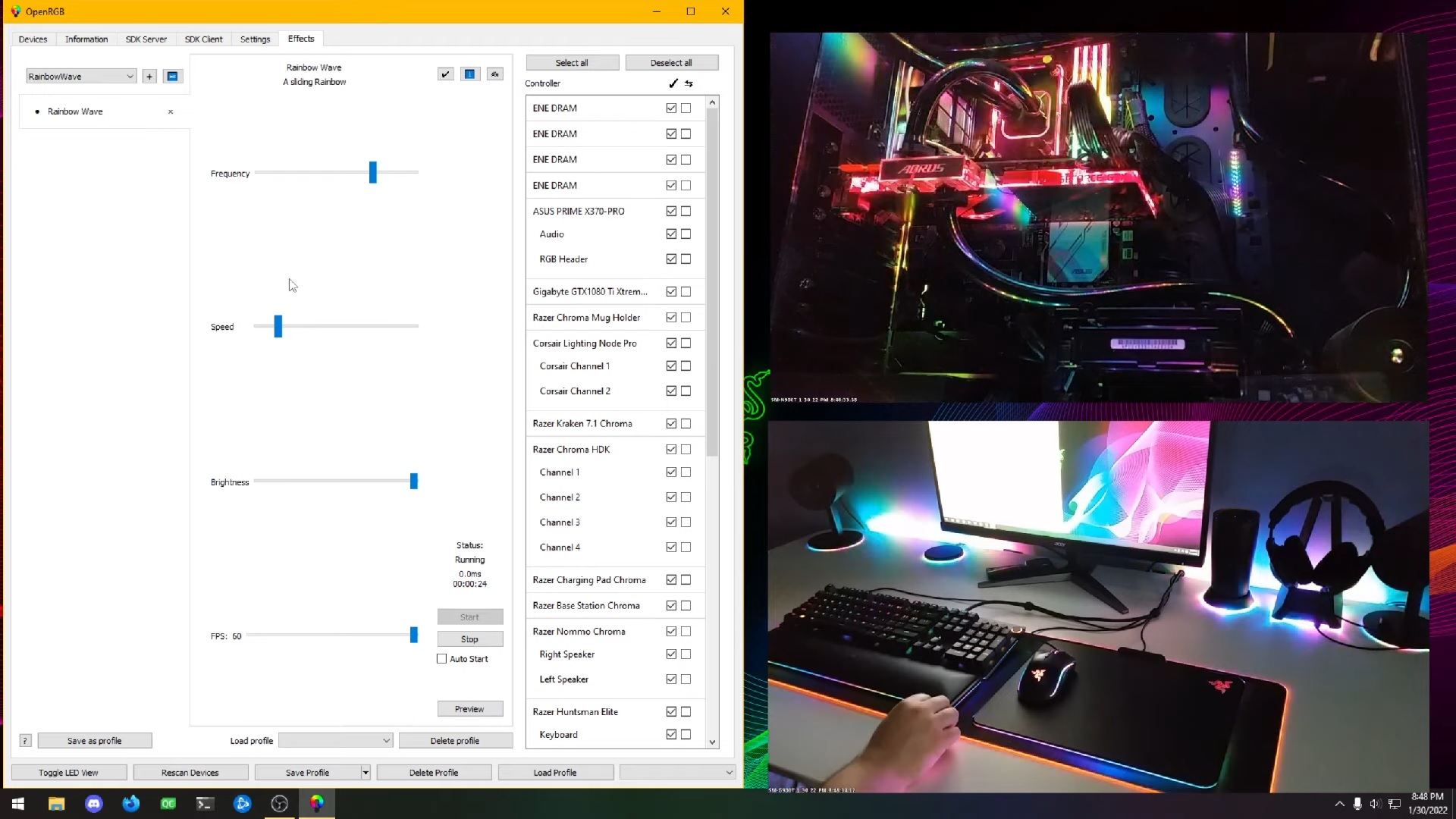
The OpenRGB Effects Plugin provides an extensive list of custom effects that can be synchronized across all devices that support Direct Mode. Many standard effects are available such as Rainbow, Visor, Breathing, and more. Advanced effects include several audio visualizations, Ambilight, GIF player, and a Shader renderer for using GLSL shaders as RGB effects.
More Info and Releases
OpenRGB Visual Map Plugin

Lay out your devices however you like

OpenRGB Visual Map Plugin

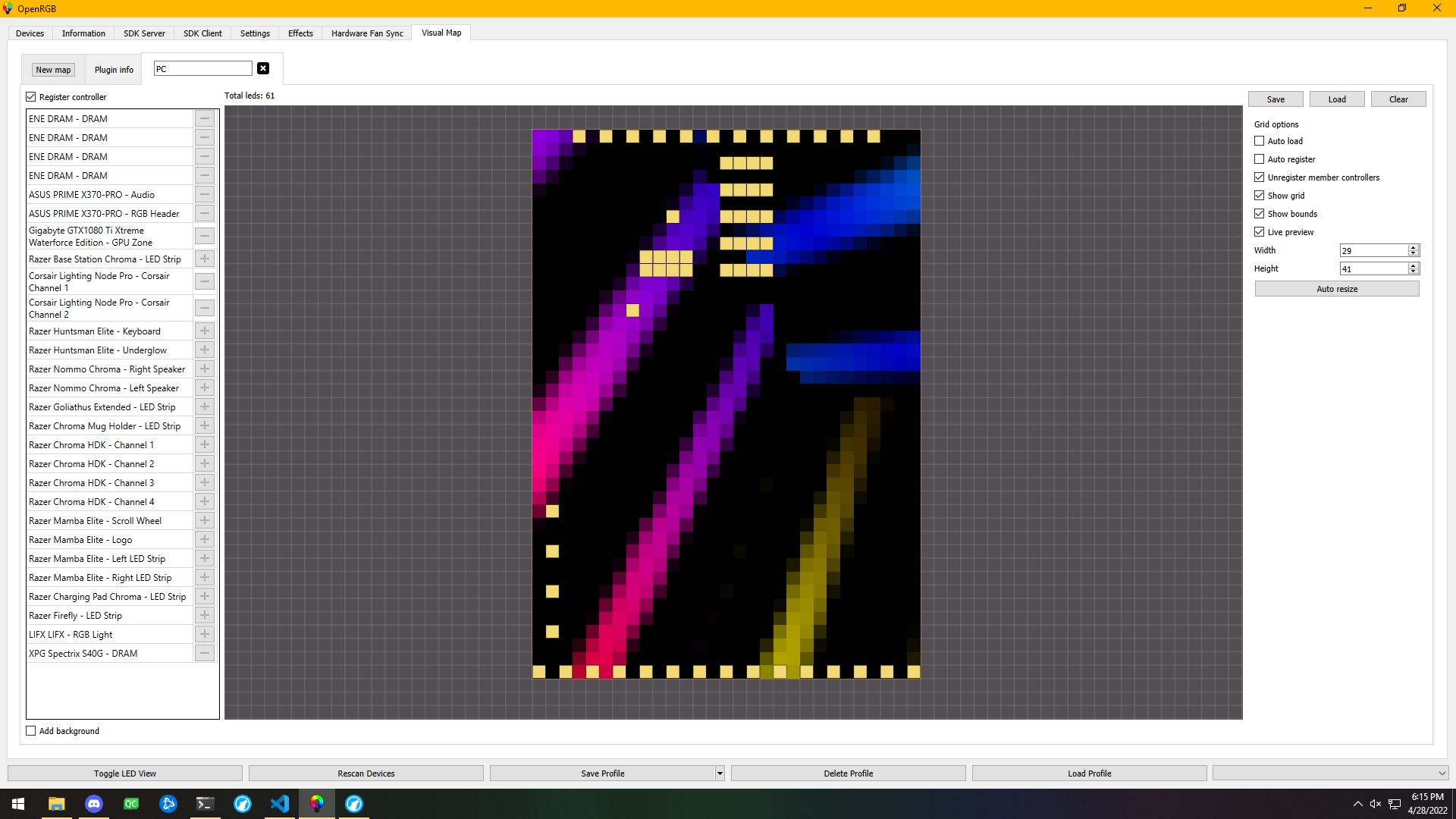
Normally, OpenRGB effects engines apply patterns one device at a time. With the Visual Map Plugin, you can combine one or more devices into a custom grid, allowing incredible effects to shine across your entire setup as one unified display.

More Info and Releases
OpenRGB Hardware Sync Plugin

Visualize system statistics with RGB

OpenRGB Hardware Sync Plugin

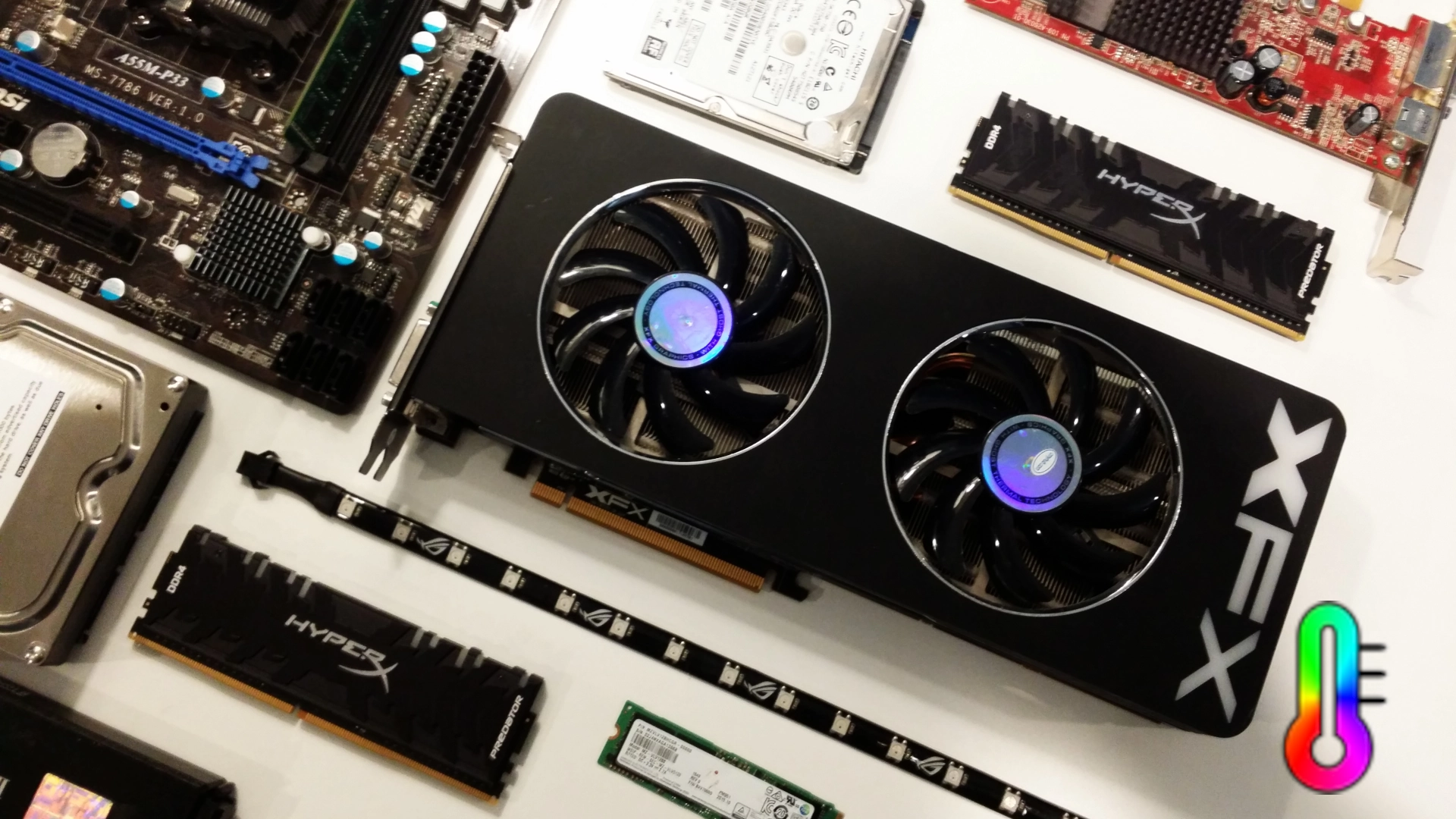
Want to keep an eye on your CPU and GPU temperatures while you're in game? The Hardware Sync Plugin will let you know if your temperatures are too high by changing the color of your RGB. Many more system parameters are supported as well, and multiple devices can indicate multiple measurements.

More Info and Releases
OpenRGB Fan Sync Plugin

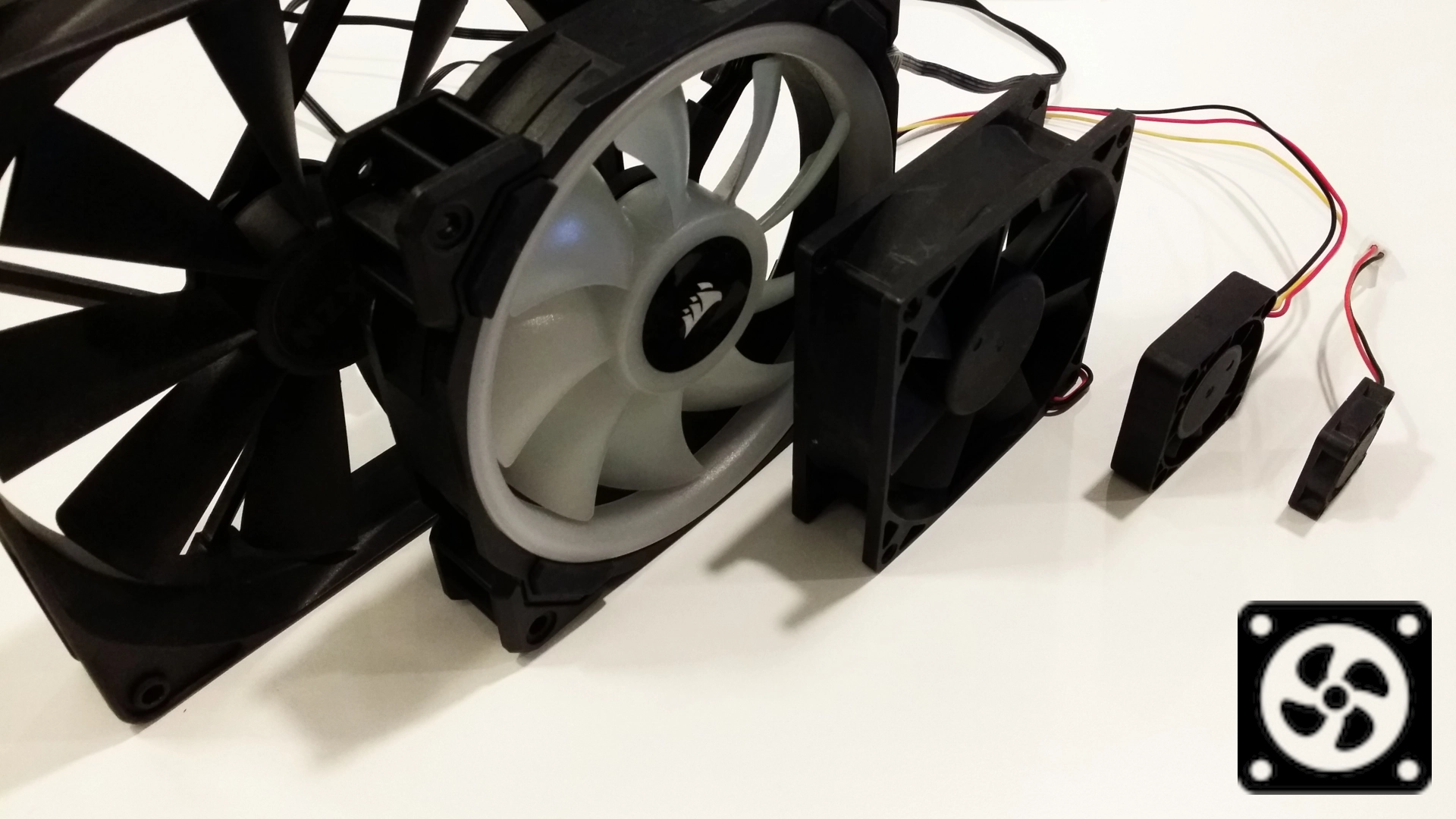
Integrate fan control into OpenRGB

OpenRGB Fan Sync Plugin

Controlling all your RGB in one place is great, but what about your fan speeds? The Fan Sync Plugin takes care of that. Using the same backend as the Hardware Sync Plugin, the Fan Sync Plugin lets you map one or more system parameters to control fan speeds, including custom fan curves.

More Info and Releases

When Buying A Used Car What To Look For May 2026

When buying a used car, a successful purchase depends on a thorough multi-step evaluation that includes verifying the vehicle's history, conducting a detailed physical inspection, and performing a comprehensive test drive. Taking your time to vet both the vehicle and the seller can prevent costly "money pits" and ensure you drive away with a reliable vehicle. 1. Pre-Inspection Research & Paperwork

: Look for consistent maintenance, such as regular oil changes and scheduled belt replacements. A lack of records often signals neglect. when buying a used car what to look for

Always inspect the car in and when it is dry ; rain and artificial lighting can hide scratches, dents, and paint imperfections. Buying a used car - Citizens Advice When buying a used car, a successful purchase

: Check for unresolved safety recalls via the NHTSA website . 2. Exterior & Engine Inspection Pre-Inspection Research & Paperwork : Look for consistent

Before visiting a car in person, use the Vehicle Identification Number (VIN) to unlock its history. This is your first line of defense against hidden issues.

: Ensure the seller's name matches the title and that the title is free of liens. Be suspicious of recently transferred titles from coastal states, which may indicate "title washing" after flood damage.

: Use services like CARFAX or Kelley Blue Book to check for reported accidents, liens, theft history, or "salvage" titles.