Crying | M4v

: By grouping crying with "Colics," the video provides a medical context that helps reduce parental guilt and anxiety.

: It addresses why infants cry and the physiological basis of colic, helping to demystify these behaviors for stressed parents.

: It addresses a topic often skipped in standard prenatal appointments but is a daily reality for new families. Cons : Crying m4v

What makes "Crying.m4v" stand out is its placement within the Your Birth Preparation Course. While most courses focus heavily on the birth itself, this segment acknowledges that the real work begins when you get home. :

: As the 14th chapter in a 15-part series, it follows lessons on breastfeeding and delivery room procedures, making it a crucial final step in comprehensive birth preparation. Review: A Lifeline for New Parents Rating: 4.5/5 : By grouping crying with "Colics," the video

: Since it is part of a larger paid course on Vimeo, it may not be easily accessible to those looking for a quick, free resource. Conclusion

"Crying.m4v" is a segment from a birth preparation course available on Vimeo On Demand. This specific 12-minute video focuses on colics and infant crying, providing essential guidance for new parents navigating the early stages of parenthood. Overview and Content Cons : What makes "Crying

The video serves as a practical, educational deep-dive into one of the most challenging aspects of newborn care. Unlike general "baby hack" videos, this segment is structured within a professional curriculum designed to prepare parents for the realities of life after delivery.
Blog archive

in all categories

Latest articles

leadPicture

weather international

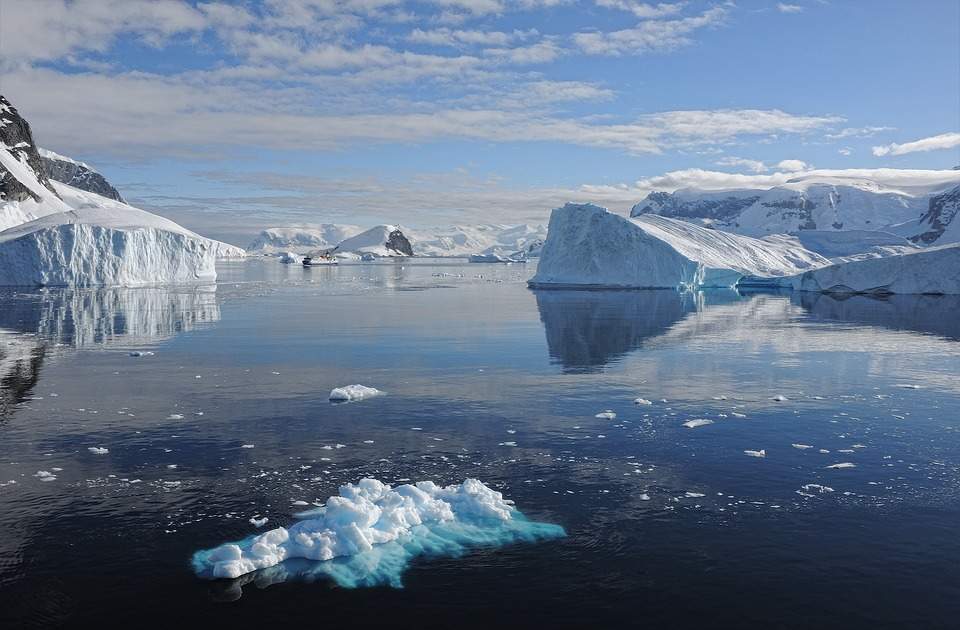
Current sea ice extent in the Antarctic and Arctic

The low point of summer sea ice extent is typically reached in the Antarctic between mid- and late February, while the winter maximum is reached in the Arctic in March with a slight delay. Conversely, the lowest sea ice extent is recorded in the Arctic in mid-September, while the greatest extent is recorded in the Antarctic. Currently, we are experiencing the lowest level of global sea ice extent on record.

Michael Eichmann

Most read articles last 2 months

Most read articles last 12 months

leadPicture

astro international

Summer in the calendar from tomorrow!

Following the meteorological start of summer on June 1 and the even earlier phenological start of summer, summer in the Earth's northern hemisphere will now also begin tomorrow, Saturday, June 21, at exactly 4:41 a.m. in calendar and astronomical terms. This is also known as the summer solstice, as the sun is positioned vertically above the Tropic of Cancer. This is associated with the longest day and shortest night in the northern hemisphere, and from this point onwards the length of the day decreases again.

Roger Perret

leadPicture

weather international

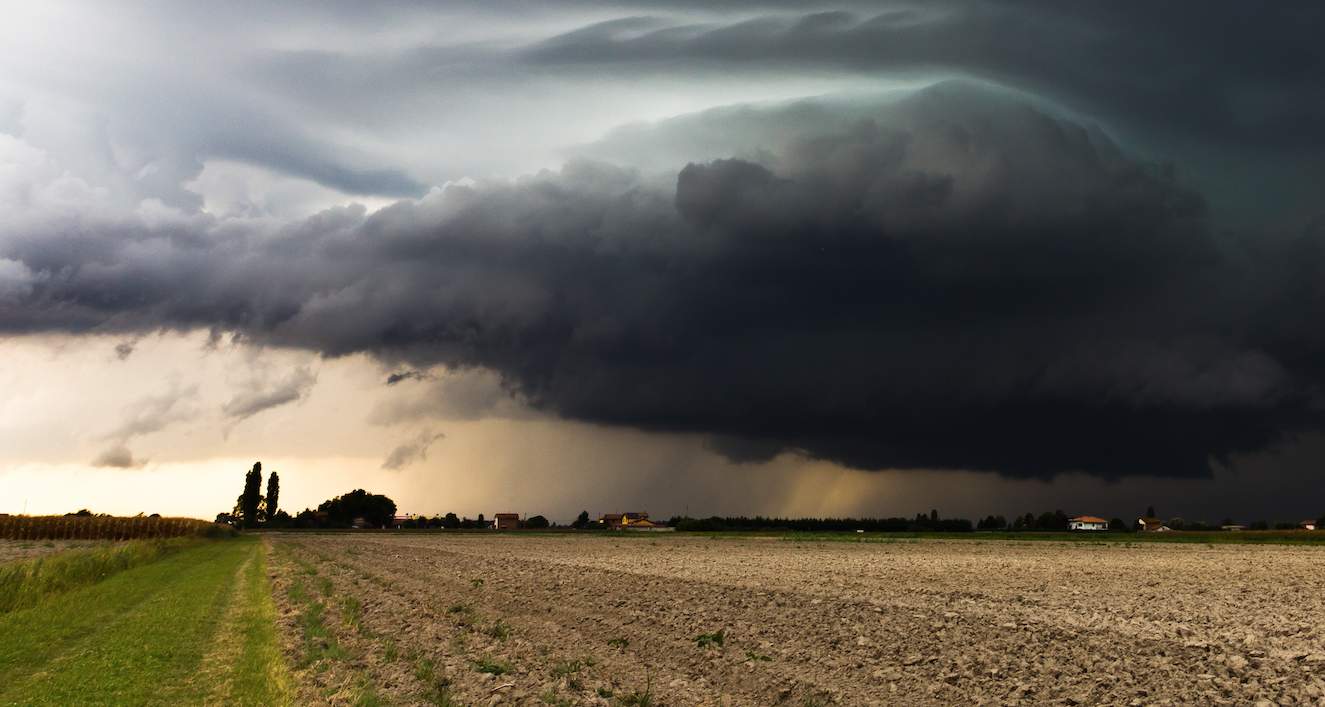
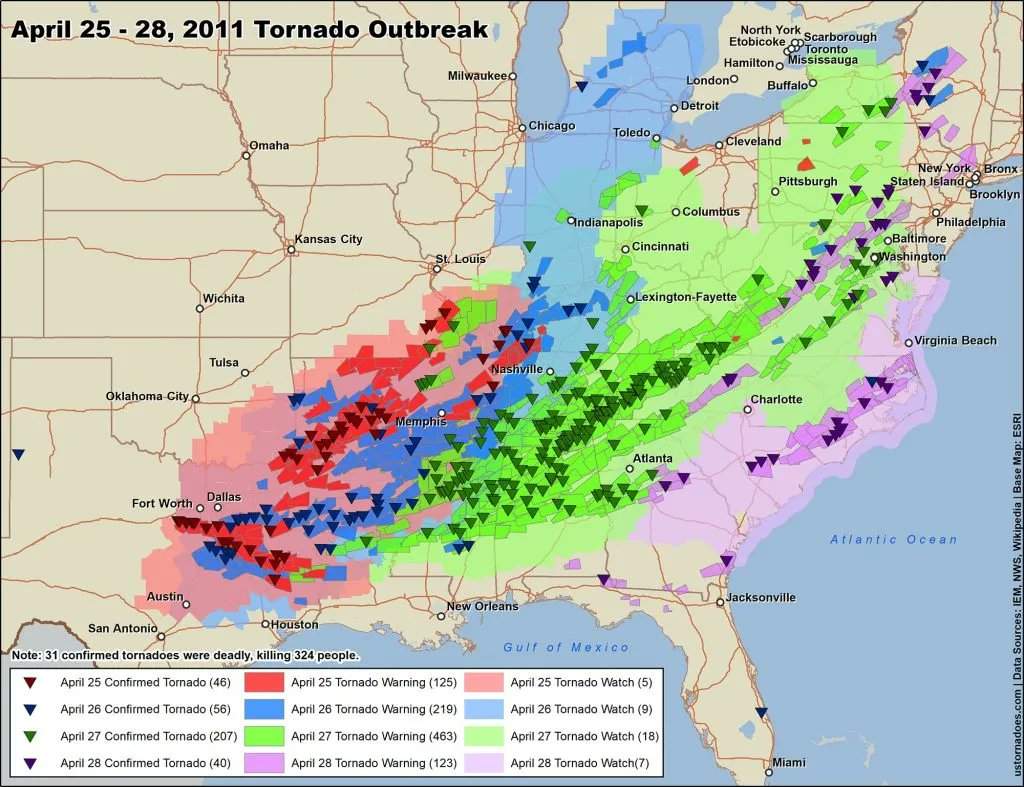
The 2011 Super-Outbreak

Particularly during spring and early summer, severe storms with tornadoes form in North America on a more or less regular basis. While most of these events "only" produce a handful of tornadoes, extreme events can occur if the pressure distribution, wind shear and humidity are ideal for the storms. The most devastating and very deadly tornado outbreak to date occurred between April 25 and 28, 2011, when 362 tornadoes formed within 4 days!

Michael Eichmann

Quick access to our weather portal

Reach our weather portal even faster by placing a shortcut directly on your home screen:
  • 1. Tap
  • 2. To the home screen
  • 1. Tap
  • 2. Tap 'Add to Home screen'
  • 3. tap 'Add'
  • 1. Tap
  • 2. Tap 'Add to Home screen'
  • 3. tap 'Add'