


product description

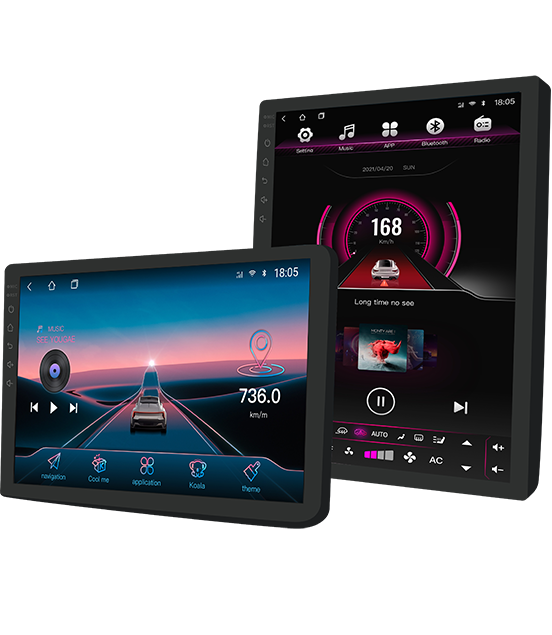
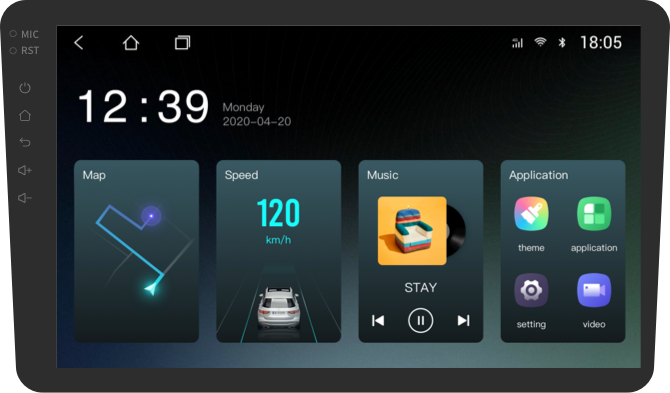
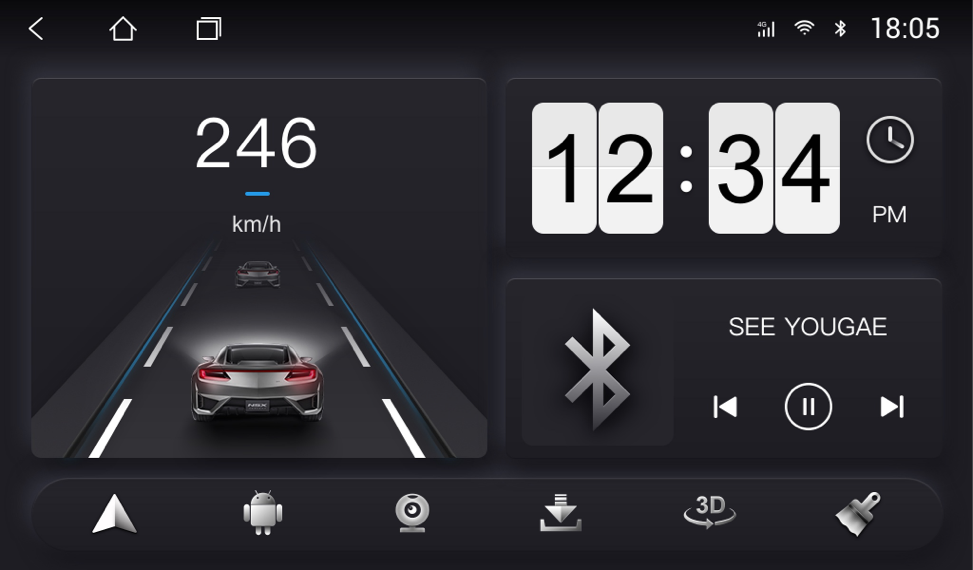
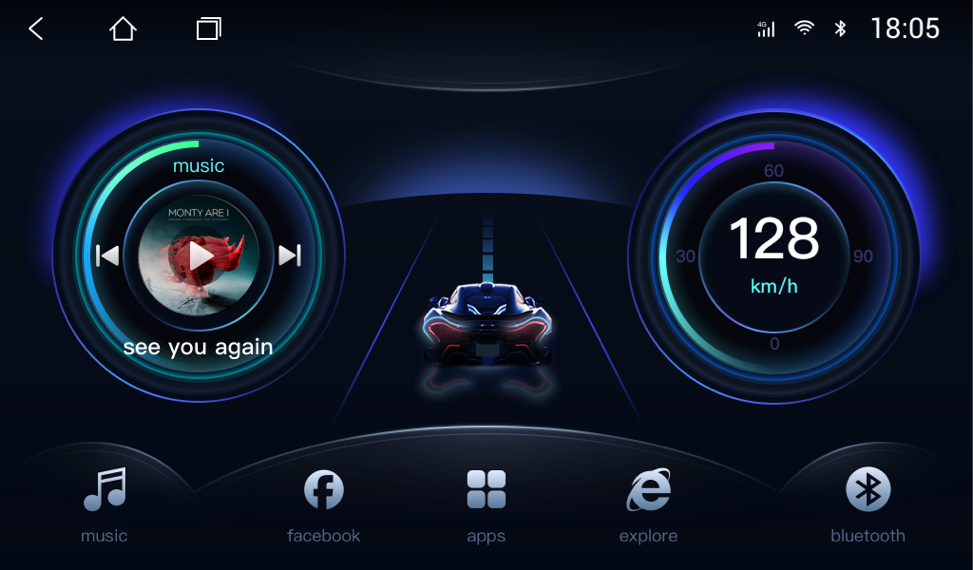
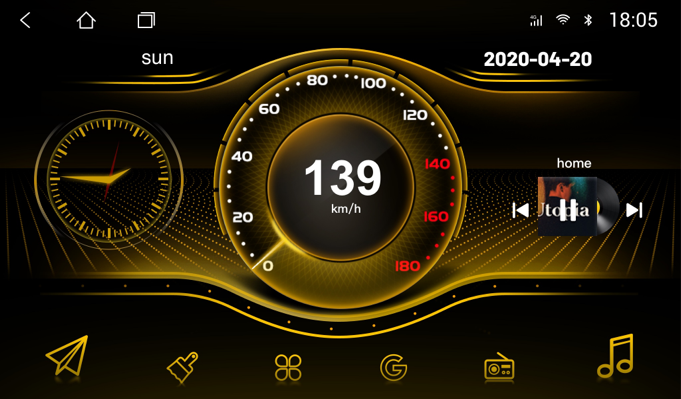
Not limited to a single theme framework, create 9 types of themes with different styles, there is always one that suits your taste!

Of course it's more than just looking good! When you drive on the road, you will find that the theme has rich dynamic effects, such as driving, instrumentation, ADAS, weather, etc., is it very interesting?

The shortcut icons on the desktop can be customized in style and function, and operate in the way you are used to!

product description
product description
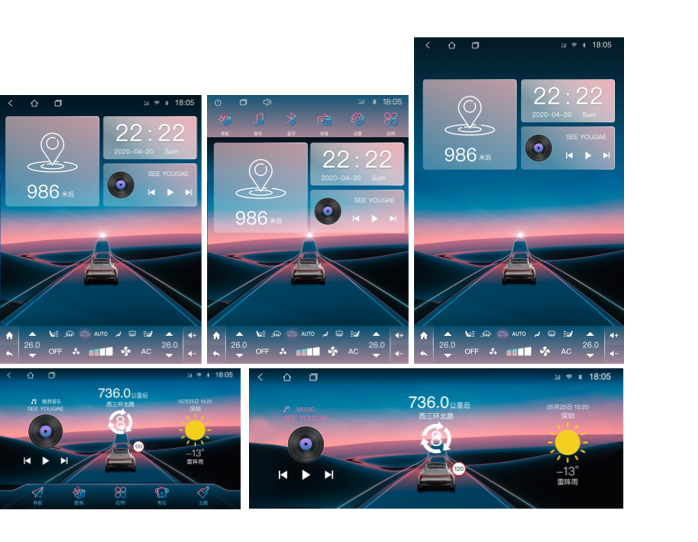
Currently suitable resolutions are as follows:
Landscape contains: 1024x600、1024x768、1280x800、1280x480、2000x1200
Vertical screen includes: 768x1024、800x1280、1080x1920
If your car is different, it will use close resolution by default
Cars of Dingwei solution can use all the functions of the theme software, but some of the functions of cars of other solution providers are not available.

In addition to a single purchase, you can also


Use experience
: Over time, the technology shifted from simple DNA testing to complex diagnostic platforms. Researchers at Argonne National Laboratory developed chips that could detect specific cancers before symptoms even appeared by identifying unique protein "fingerprints".
: The first commercial biochip, the GeneChip , was introduced by Affymetrix in 1981. These early versions were essentially "miniaturized laboratories" that used microarrays to perform thousands of biological reactions—like DNA hybridization—at once.
: Most recently, scientists at Nanyang Technological University developed an AI-powered biochip that can detect genetic markers for heart disease from a single drop of blood in just 20 minutes—a process that previously took hours. Real-World Applications
Biochips are now used in diverse fields, significantly reducing the need for traditional, slow-moving laboratory tests:
The story of the is a transition from science fiction to a medical reality that is reshaping how we diagnose diseases and interact with technology. The Origin and Evolution
Biochip technology reveals “fingerprints” of biochemical threats
Weekly update



: Over time, the technology shifted from simple DNA testing to complex diagnostic platforms. Researchers at Argonne National Laboratory developed chips that could detect specific cancers before symptoms even appeared by identifying unique protein "fingerprints".
: The first commercial biochip, the GeneChip , was introduced by Affymetrix in 1981. These early versions were essentially "miniaturized laboratories" that used microarrays to perform thousands of biological reactions—like DNA hybridization—at once.
: Most recently, scientists at Nanyang Technological University developed an AI-powered biochip that can detect genetic markers for heart disease from a single drop of blood in just 20 minutes—a process that previously took hours. Real-World Applications
Biochips are now used in diverse fields, significantly reducing the need for traditional, slow-moving laboratory tests:
The story of the is a transition from science fiction to a medical reality that is reshaping how we diagnose diseases and interact with technology. The Origin and Evolution
Biochip technology reveals “fingerprints” of biochemical threats